Hair Transplant
Robotic Hair Transplant
A robotic hair transplant is an FUE procedure in which an image-guided robotic system identifies and extracts follicular units from the donor area and creates the recipient sites, while the surgeon designs the hairline and the grafts are implanted by hand or with DHI pens. The robot improves consistency in the most repetitive stages; it does not replace the surgeon’s judgement. At our Istanbul clinic, a robotic hair transplant costs from €4,500 (about £3,900 or $5,300) as an all-inclusive package.
Free consultation+44 20 3337 6262
At a glance
- Procedure length
- 6 to 8 hours
- Final result
- 12 to 18 months
Robotic Hair Transplant at a Glance
- Hair restoration since 1994
- Ministry of Health licensed
- [Device name] robotic system
- 12-month result tracking
What the Robot Does and What the Surgeon Still Does
“Robotic hair transplant” suggests a machine performing the whole procedure. In practice the robot handles two stages and the surgical team handles the rest. Knowing which is which is the best way to judge what robotic technology can and cannot improve.
| Stage | Performed by | What it involves |
|---|---|---|
| Assessment and donor analysis | Surgeon | Donor density, hair type and suitability for robotic extraction |
| Hairline design | Surgeon | Shape, height and irregularity of the front edge |
| Treatment mapping | Surgeon and robotic system | Planned area and graft distribution entered into the system |
| Graft extraction | Robotic system | Cameras identify follicles; punch aligned to each hair's angle |
| Graft removal and sorting | Surgical team | Freed grafts lifted out, checked and kept in holding solution |
| Recipient site creation | [Robotic system / surgeon] | Incisions opened at the planned density and angle |
| Implantation | Surgical team | Grafts placed by hand or with DHI pens |
How a Robotic Hair Transplant Works, Step by Step
Planning and hairline design
The surgeon examines your scalp, measures donor density and draws the new hairline. The planned area and graft distribution are entered into the robotic system, which maps the treatment in three dimensions.
Robotic graft extraction
The donor area is shaved short and numbed. A tensioner is placed on the scalp to keep the skin still. The robot’s stereo cameras identify each follicular unit, measure the angle at which the hair leaves the skin, and select grafts so extraction is spread evenly. A two-part punch scores the skin and frees the graft, which the team then lifts out and stores in a chilled holding solution.
Robotic recipient site creation
The robot opens the recipient sites in the pattern, density and angle set by the surgeon, avoiding existing hairs it can see in the treated area. [Confirm whether the clinic’s system performs this stage, and whether sapphire blades are used.]
Implantation
Grafts are placed into the recipient sites by hand, or with Choi implanter pens where DHI is used for the hairline or crown. This stage is not robotic in any system currently in clinical use.
Robotic Hair Transplant vs Manual FUE vs DHI
Robotic, manual FUE and DHI are not three separate procedures. Robotic and manual FUE differ in who performs extraction; DHI differs in how grafts are implanted. That is why robotic extraction can be combined with DHI implantation.
Published comparisons of robotic and manual FUE show broadly similar graft survival and patient outcomes when both are performed by experienced teams. The robot’s advantage is consistency across a long session rather than a better result in the hands of a highly skilled surgeon.
| Comparison point | Robotic FUE | Manual Sapphire FUE | DHI |
|---|---|---|---|
| Extraction | Robot, image-guided | Surgeon with motorised punch | Surgeon with motorised punch, or robot |
| Recipient sites | [Robot / surgeon] | Surgeon, sapphire blades | Made by the implanter needle during placement |
| Implantation | By hand or DHI pen | By hand with forceps | Choi implanter pen |
| Consistency across a long session | Highest | Depends on the surgeon | Depends on the surgeon |
| Adapts to curled or Afro hair | Limited | Yes | Yes |
| Works on grey or white hair | Less reliable | Yes | Yes |
| Unshaven option | No, donor must be clipped | Partially | Yes |
| Typical grafts in one day | [2,000 to 3,000] | [4,000 to 5,000] | [3,000 to 3,500] |
What Is Robotic DHI?
Robotic DHI combines robotic graft extraction with DHI implantation. The robot extracts the grafts; the surgeon then implants them with Choi pens, setting the angle and depth of each hair at the moment of placement. It is used most often where precision at the hairline or crown matters most. Some clinics market robotic DHI under their own brand names. Whatever the name, ask the same two questions: which stages does the robot perform, and who holds the implanter? No robotic system in current clinical use implants grafts with a DHI pen.
Advantages and Limitations of Robotic Hair Transplant
Robotic systems work best in a specific range of cases. They are less suited to others, and a clinic that offers robotic treatment to everyone is not being straight with you.
| Advantages | Limitations |
|---|---|
| Consistent punch angle and depth throughout the session | Less accurate with tightly curled or Afro-textured hair |
| Extraction spread evenly across the donor area | Needs contrast; less reliable with grey, white or very fair hair |
| No drop in accuracy from surgeon fatigue in later hours | Donor area must be clipped short; no fully unshaven option |
| Recipient sites can avoid existing hairs the cameras detect | Lower graft count per day than manual Sapphire FUE |
| Detailed digital record of the extraction pattern | Higher cost than manual FUE |
| Can be combined with DHI implantation | Does not design the hairline or implant the grafts |
Is a Robotic Hair Transplant Safer?
The robot does not change the overall safety profile of FUE, which is already a low-risk procedure under local anaesthesia. What it can reduce is variability in extraction: every punch follows the angle measured by the cameras, extraction is spread evenly so the donor is less likely to be over-harvested in one zone, and consistency does not drop as the session goes on. What it does not reduce are the risks that come from planning. An unnatural hairline, grafts implanted at the wrong angle, or a donor area harvested beyond its safe capacity are decisions made by people, and the robot follows the plan it is given.
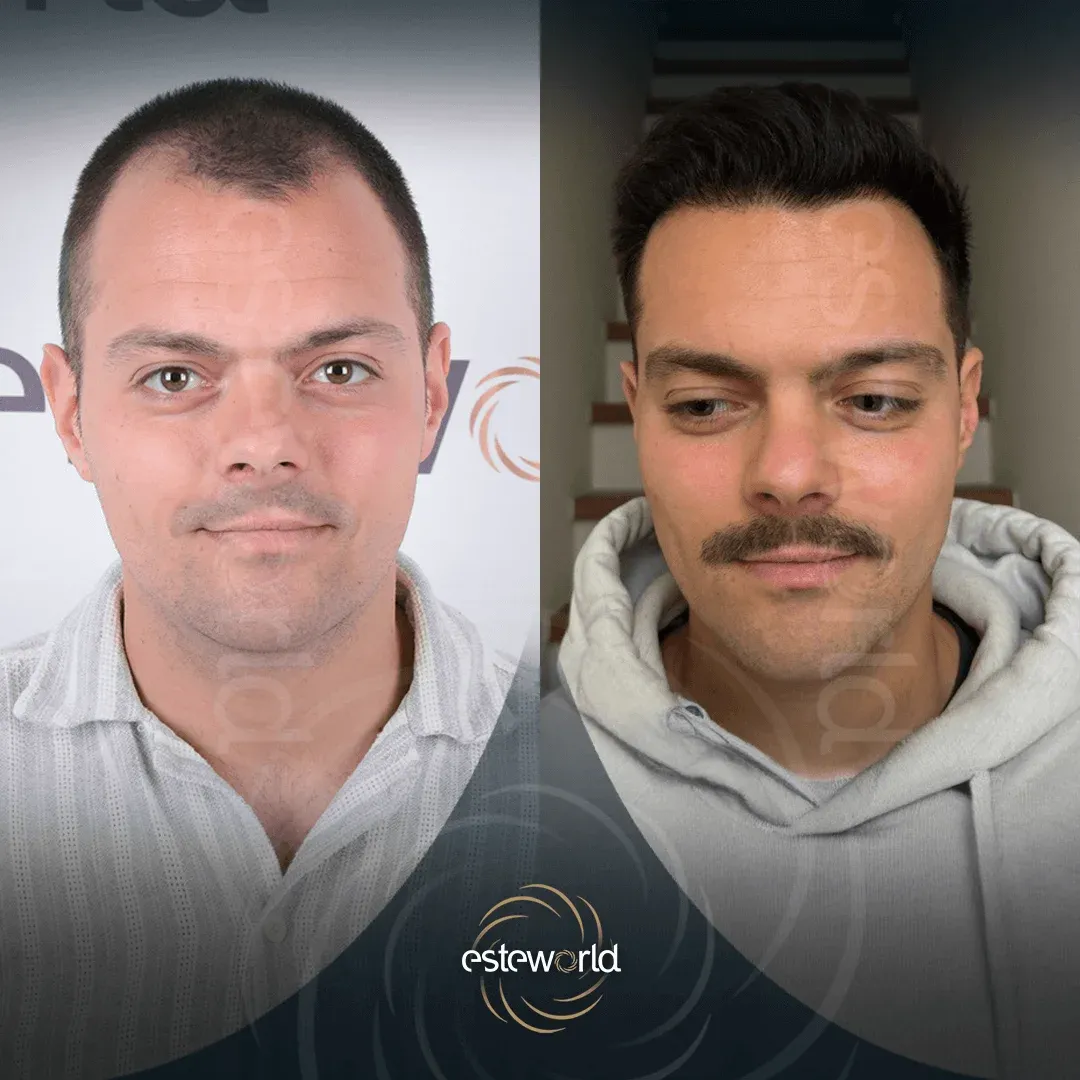
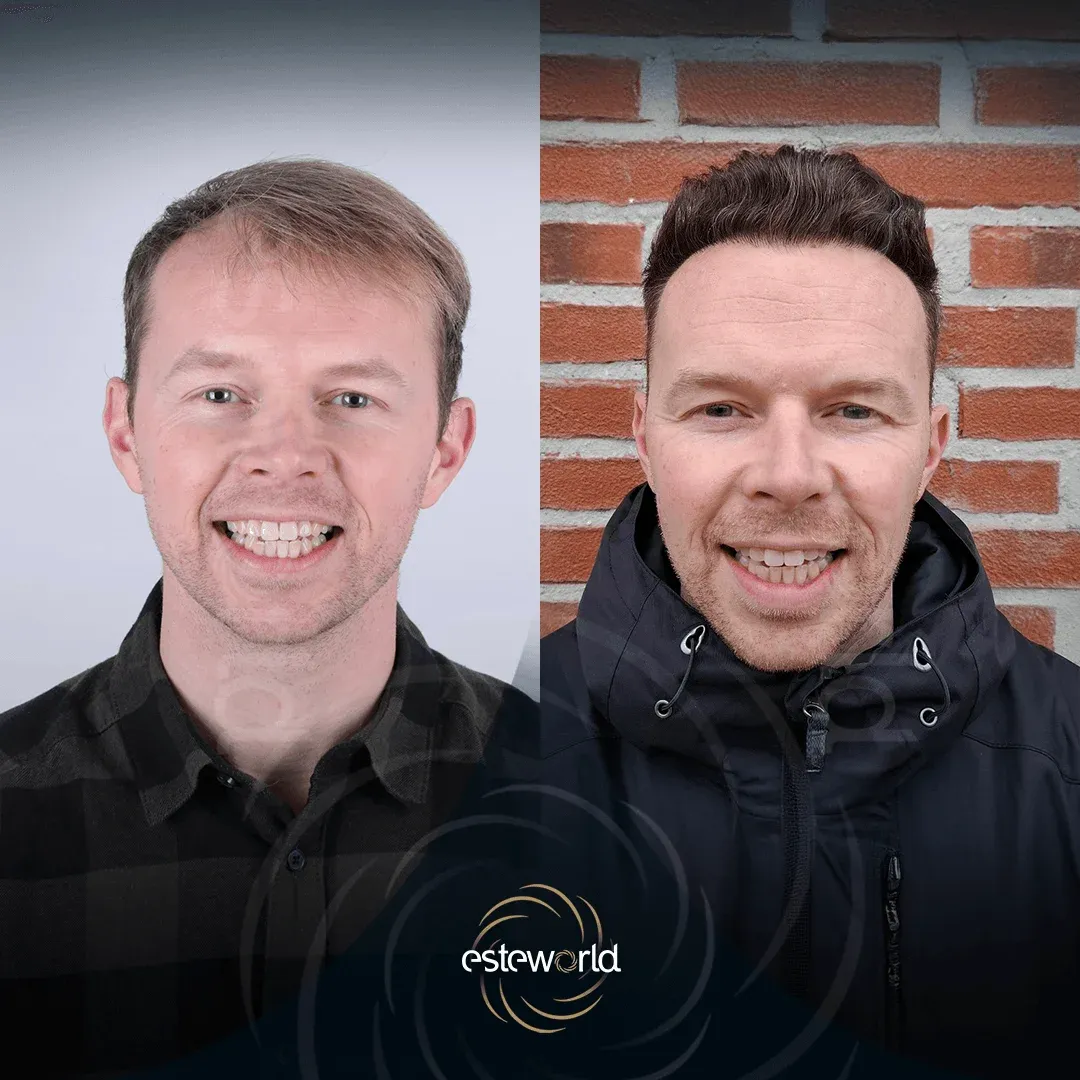
Before & after
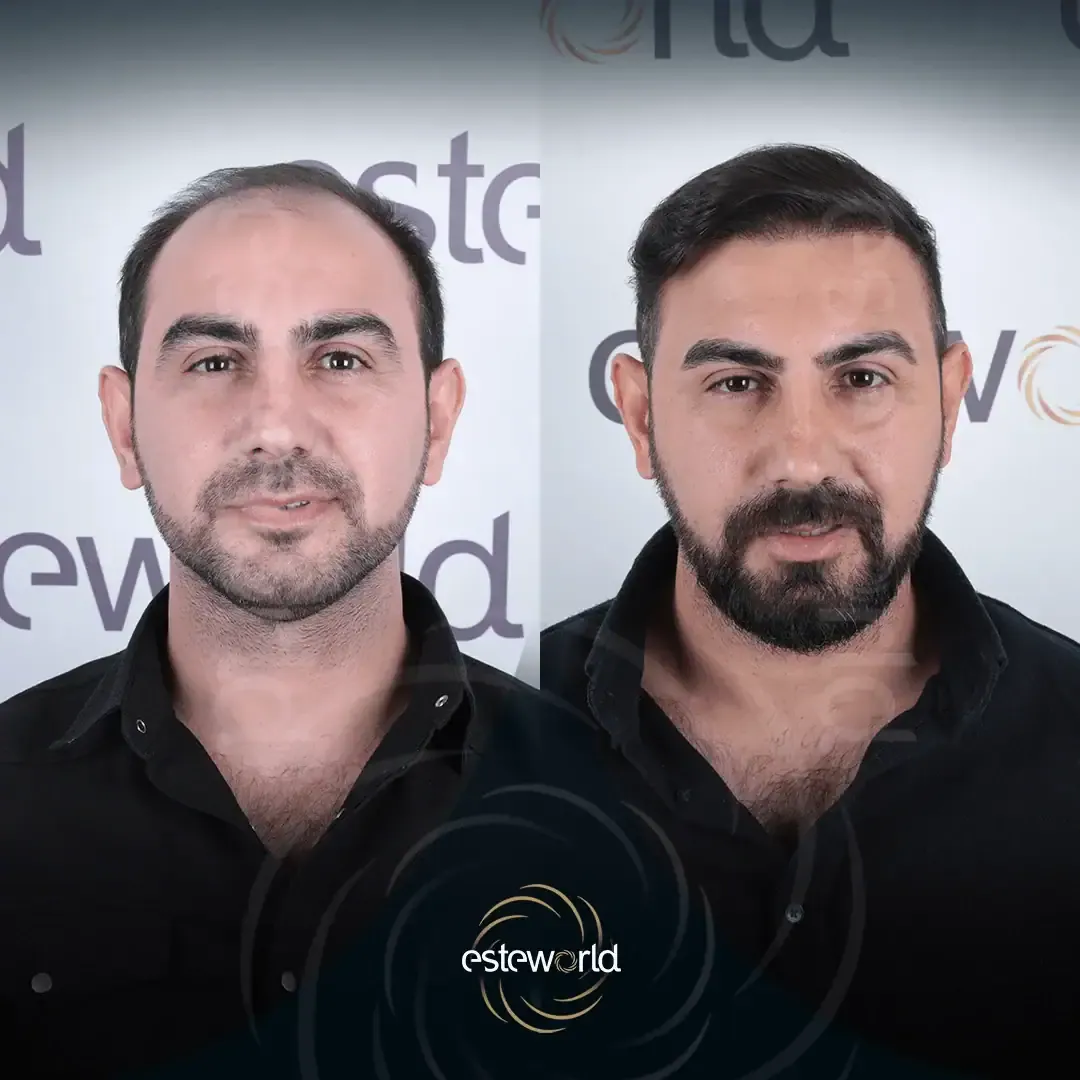
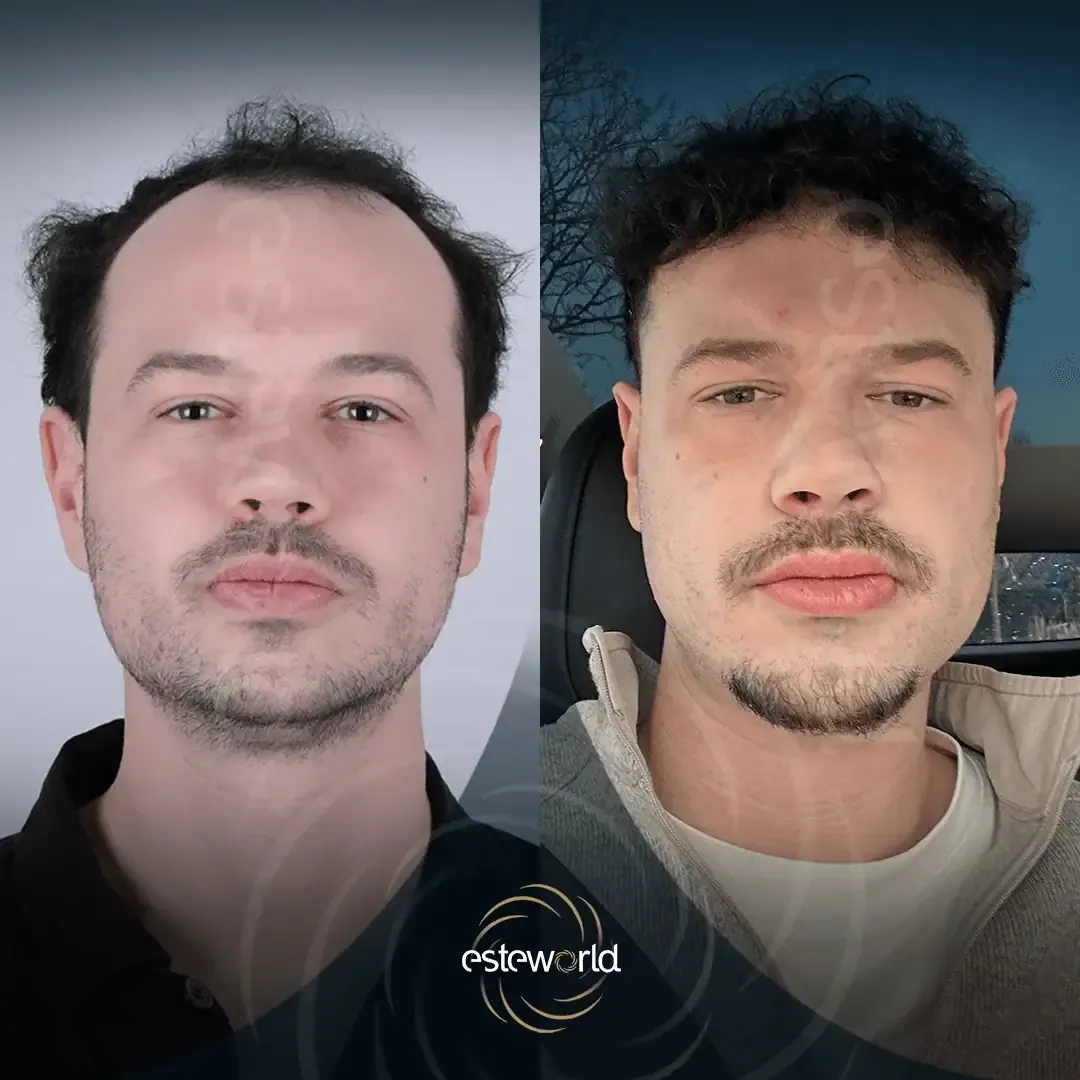
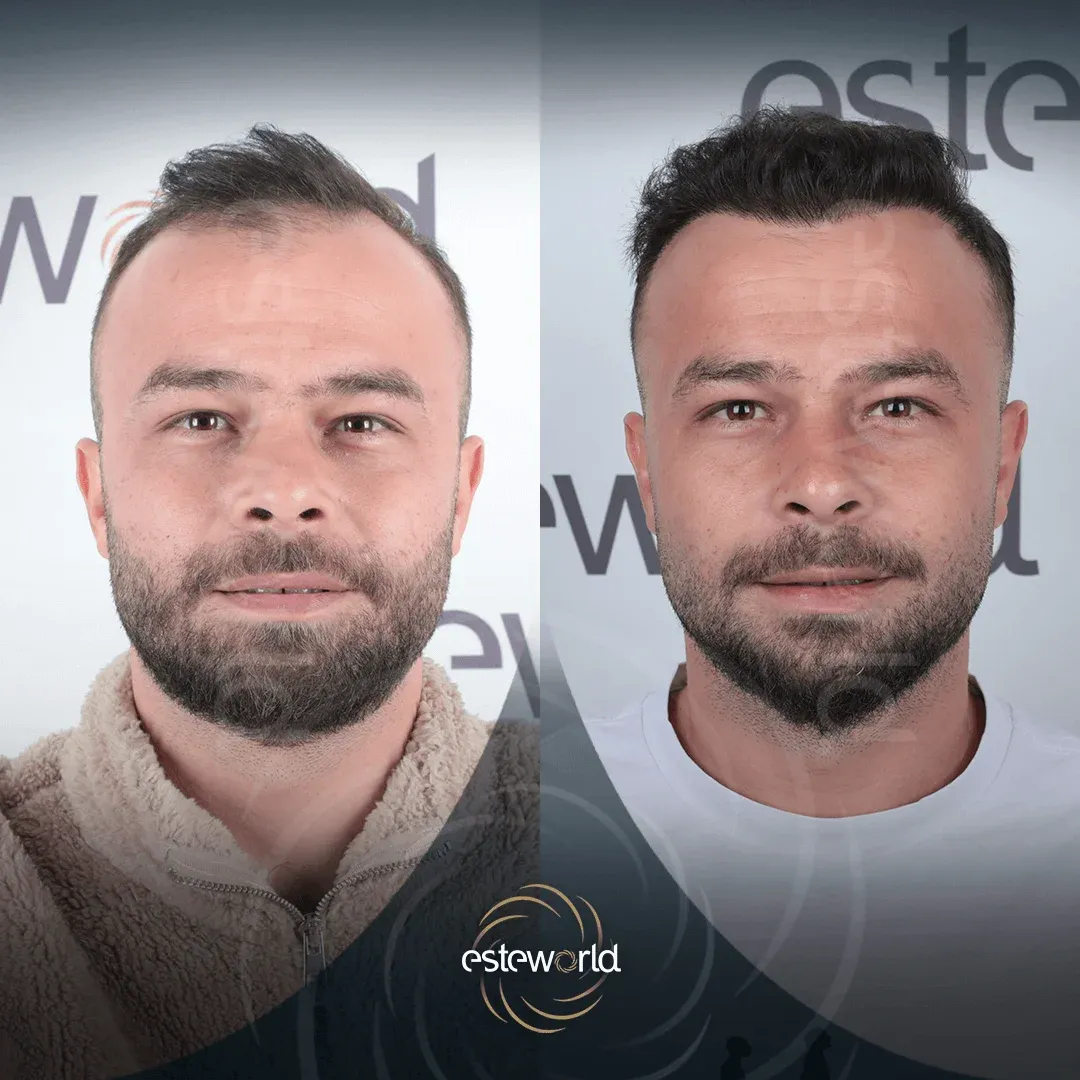
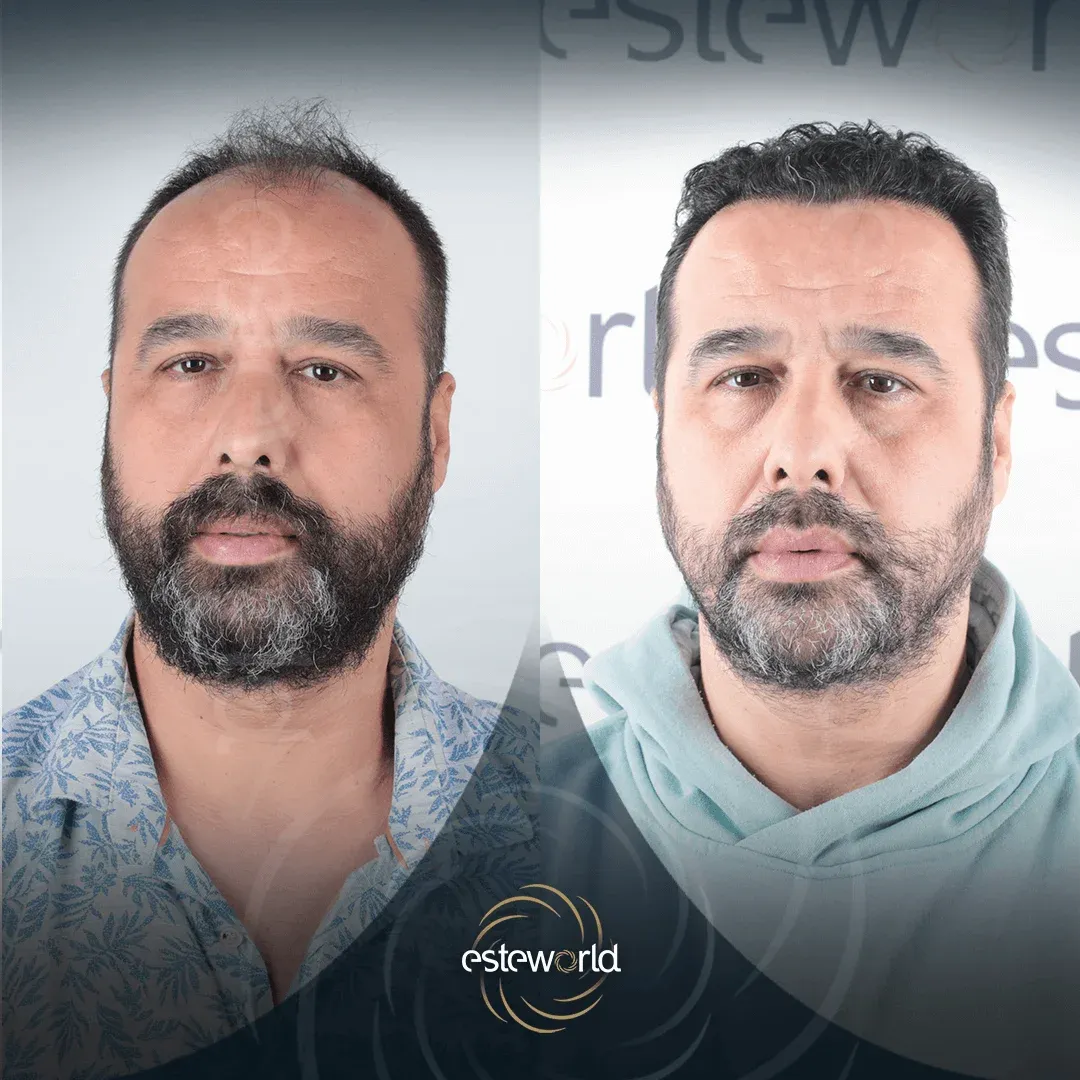
Published results
Questions
What is a robotic hair transplant?
An FUE hair transplant in which an image-guided robot extracts follicular units from the donor area and, in some systems, creates the recipient sites. The surgeon designs the hairline and the grafts are implanted by hand or with DHI pens.
Does a robot do the whole hair transplant?
No. The robot performs graft extraction and, in some systems, recipient site creation. Hairline design, planning and implantation are done by the surgical team.
Which robotic system do you use?
[Device name and model]. [One sentence on what it does in your clinic.]
Is robotic hair transplant better than manual FUE?
Not necessarily. Studies show broadly similar outcomes when both are performed by experienced teams. The robot’s advantage is consistent extraction across a long session. A skilled manual surgeon can achieve the same result.
What is robotic DHI?
Robotic graft extraction combined with DHI implantation, where the surgeon places each graft with a Choi pen. No robotic system currently implants grafts with a DHI pen.
Is robotic hair transplant safer?
It does not change the overall safety of FUE, which is already low risk. It reduces variability in extraction and helps spread harvesting evenly. Risks that come from planning, such as an unnatural hairline, depend on the surgeon.
Is robotic hair transplant painful?
No more than manual FUE. The anaesthetic injections at the start are the main discomfort. The scalp is numb for the rest of the procedure.
How many grafts can the robot extract in one session?
Typically [2,000 to 3,000]. Larger procedures may combine robotic and manual extraction or be planned over two days.
In the same family
Medical content from esteworldturkey.com. Every plan starts with a doctor’s assessment. Source page ↗