Breast Aesthetics
Gynecomastia
Gynecomastia is a condition characterized by the enlargement of male breast tissue in a way that resembles female breasts, causing both aesthetic and psychological discomfort. Often noticeable from adolescence, it can lead to loss of self-confidence, social withdrawal, and difficulties in clothing choices. This form of breast enlargement, which does not improve with exercise or diet, can be permanently corrected through surgery.
Free consultation+44 20 3337 6262
What Is Gynecomastia Surgery in Turkey?
Gynecomastia surgery involves the surgical removal of enlarged breast tissue in men, often due to hormonal imbalance, genetic predisposition, or certain medications. The goal is to achieve a firmer, flatter, and more masculine chest appearance. Since gynecomastia often includes not only fatty tissue but also glandular (gland-based) tissue, it may not resolve solely through weight loss or exercise.
The surgery is typically performed using a combination of liposuction and glandular tissue excision. It can be done under local or general anesthesia and usually takes about 1 to 2 hours. With minimal scarring, patients are often discharged the same day and can return to social activities shortly thereafter. The results are both aesthetically pleasing and psychologically satisfying.
What Causes Gynecomastia?
Gynecomastia occurs when there is an imbalance between estrogen (female hormone) and testosterone (male hormone) in the male body, leading to abnormal breast tissue growth. This hormonal imbalance may arise during puberty, aging, or due to medical conditions and medication use.
Additional causes include anabolic steroid use, certain antidepressants, heart medications, alcohol, and substance abuse. Underlying health issues such as liver disease, thyroid disorders, or testicular tumors may also contribute. While often harmless, the aesthetic and emotional impact of gynecomastia may require treatment.
Who Is Affected by Gynecomastia?
Gynecomastia can affect males of all ages, but is more likely to occur during specific life stages or in response to external factors. It is more common in the following groups:
- Adolescent males during puberty
- Individuals with hormonal imbalances
- Long-term users of medications (especially antidepressants, steroids, heart drugs)
- Men with excessive alcohol or substance use
- Individuals struggling with obesity
- Those with a genetic predisposition
- Patients with liver, kidney, or thyroid disorders
- Men with low testosterone levels
When Is Gynecomastia Surgery Necessary?
Gynecomastia may resolve on its own in some cases, particularly after puberty. However, if the condition persists for over a year, causes visible enlargement, tenderness, or aesthetic discomfort, surgical intervention should be considered.
Surgery is recommended in cases where it affects social life, restricts clothing choices, or leads to psychological distress. If lifestyle changes such as diet and exercise do not reduce breast tissue, and glandular tissue is dominant, surgery offers a permanent and effective solution. Similarly, if gynecomastia is caused by medication or hormonal imbalance and medical treatment fails, surgery becomes necessary. In short, if the condition becomes permanent and reduces quality of life, surgery is the best option.
How Is Gynecomastia Surgery Performed in Turkey?
Gynecomastia surgery involves two main techniques, depending on the structure of the breast tissue: liposuction and surgical excision. If the enlargement is primarily due to fat, liposuction is used, where small cannulas suction out the excess fat. If glandular tissue is the main cause, it is removed via a small incision.
In many cases, both methods are combined. The procedure, performed under local or general anesthesia, typically lasts 1 to 2 hours. Skin may also be tightened or excess skin removed if necessary. Scars are minimal and usually hidden in natural contours. Patients are advised to wear a compression garment after surgery and can often be discharged the same day or the next. The recovery is generally quick, and the results are long-lasting.
Are Non-Surgical Treatments Possible for Gynecomastia?
Non-surgical treatments may be effective in mild cases, especially when the enlargement is due to fat accumulation. Regular exercise, a healthy diet, and weight control can improve appearance. If the condition is due to hormonal imbalance or medication, reversing the underlying cause may help reduce the tissue over time.
However, in moderate to severe cases dominated by glandular tissue, non-surgical methods are usually insufficient. Treatments such as laser lipolysis, radiofrequency, and certain medical devices may support overall outcomes, but surgery remains the most definitive and effective solution. A specialist should evaluate the most appropriate treatment method.
Will There Be Scars After Gynecomastia Surgery?
Incisions are usually made around the areola (nipple area), where scars are well-hidden within the natural skin transition. In cases involving liposuction, only small (3–4 mm) entry points are used, which fade over time. With advanced suturing techniques, scarring is minimal, and many patients hardly notice them over time.
However, as with any surgery, scarring cannot be completely avoided. The visibility of scars depends on factors such as skin type, genetics, smoking, and wound healing. Using scar creams, silicone sheets, and sun protection as recommended by the doctor can significantly reduce scar formation. Over time, these scars become nearly unnoticeable.
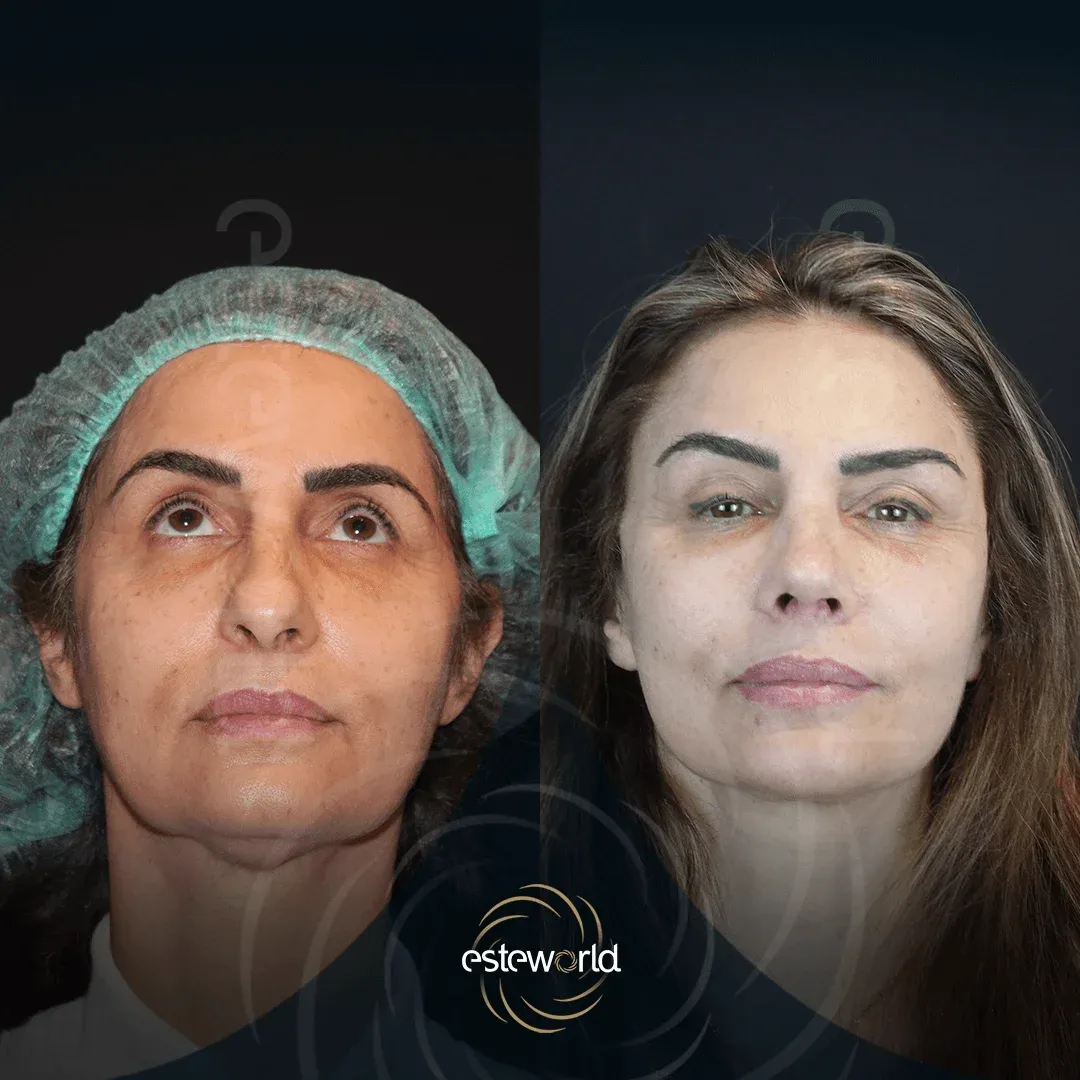
Before & after
Published results

Questions
No question marks in your mind?
You can contact us for information about plastic surgery operations.
How long does gynecomastia surgery take?
The procedure typically lasts between 1 and 1.5 hours, depending on the technique used.
Can I go home the same day after surgery?
Yes, gynecomastia surgery is usually performed as a day procedure, and most patients are discharged the same day. In some cases, an overnight stay may be recommended.
Can gynecomastia go away with exercise?
Exercise and diet may help reduce fat, but they are generally insufficient for treating glandular tissue-related gynecomastia. Surgery is usually needed for permanent results.
Is gynecomastia surgery risky?
As with any surgery, there are risks such as infection, bleeding, or scarring. However, when performed by an experienced surgeon, the risks are minimal.
How long should I wear a compression garment after surgery?
Wearing a compression garment for 3 to 4 weeks is generally recommended. The exact duration is determined by the doctor based on your healing process.
Does surgery offer a permanent solution?
Yes, by removing the glandular breast tissue, the results are permanent. However, weight gain, hormonal imbalances, or certain medications can rarely lead to recurrence.
Can surgery be done if only one breast is enlarged?
Yes, gynecomastia can be unilateral. In such cases, surgery is performed on the affected side, and minor adjustments may be made to the other for symmetry.
In the same family
Medical content from esteworldturkey.com. Every plan starts with a doctor’s assessment. Source page ↗