The sea writes the carta.
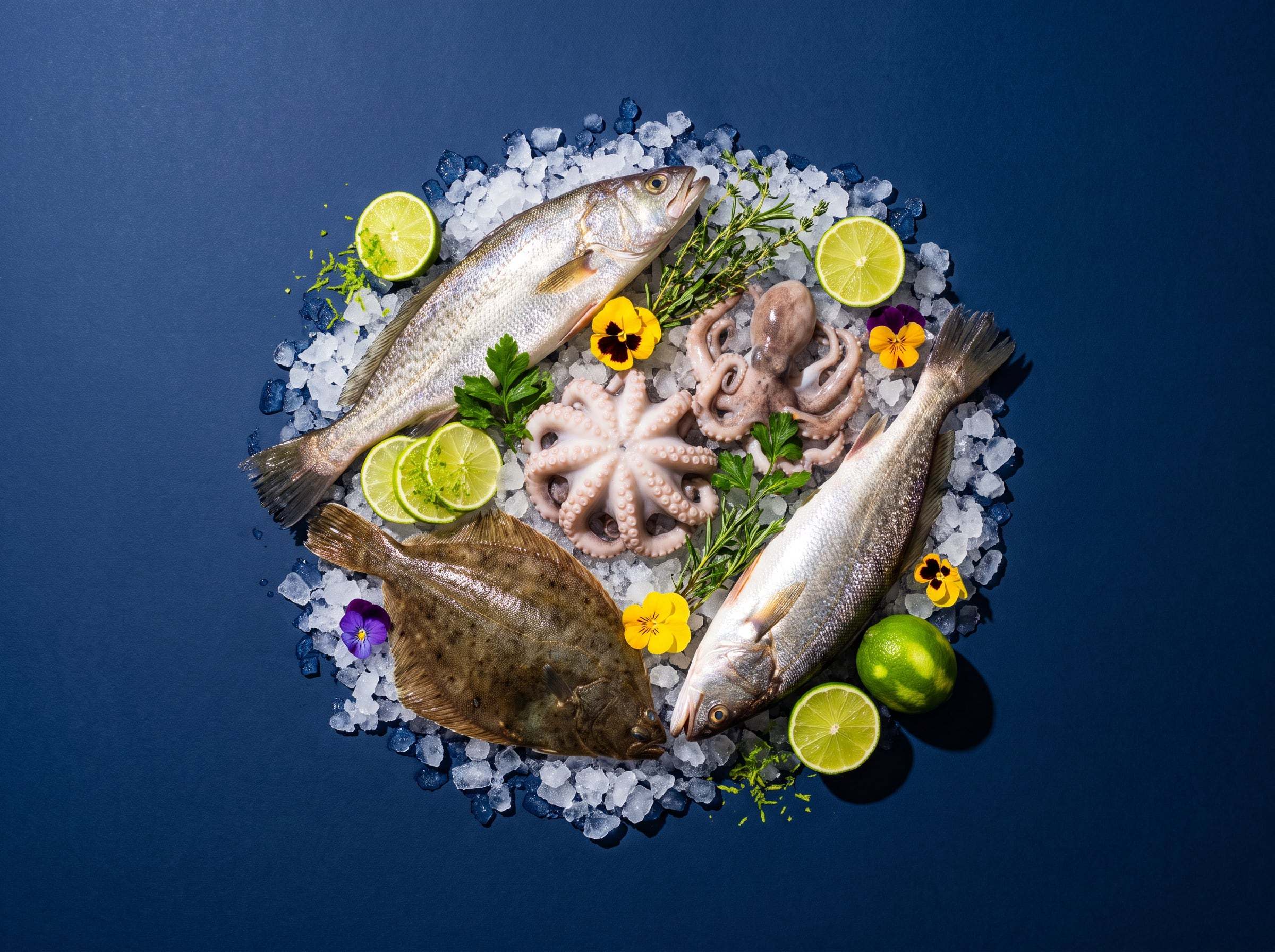
We buy what the morning boats bring, not what a list asks for. Some days that means fewer dishes. It never means a frozen fish.
Barranco · Lima
ReservasHistoria
Every cebiche leaves a little milk in the bowl: lime, ají, salt and the juice of the fish, turned cloudy and cold. Lima pours it into a glass, calls it tiger’s milk and swears it brings you back to life. We liked the idea of a restaurant that does the same.
Callao, 1899
In 1899 the first ship carrying Japanese immigrants arrived at the port of Callao. Families who came to work the coastal farms stayed, opened shops and fondas, and cooked with what Peru had: lime, ají, corn, potatoes and a cold, generous Pacific.
Over the following century that meeting got a name — Nikkei. Fish was cut thinner and marinated for minutes rather than hours; soy, miso and ginger found their way into Lima’s pots; and the cebiche the city loves came out of that long conversation between two coasts.
Tigre is our chapter of it: a loud room in Barranco where the knife is Japanese, the fire is Peruvian, the fish is whatever the sea decided that morning — and the tigre is poured fresh every hour.
House rules
We buy what the morning boats bring, not what a list asks for. Some days that means fewer dishes. It never means a frozen fish.
Leche de tigre is at its best for about an hour. We blend four kinds through the day and pour out what is left. It is the most important thing we make.
Precision at the board, generosity at the robata. The cut is quiet; the binchōtan is not.
Share everything, order twice, toast often. Tigre is a dining room, not a library.
Barranco
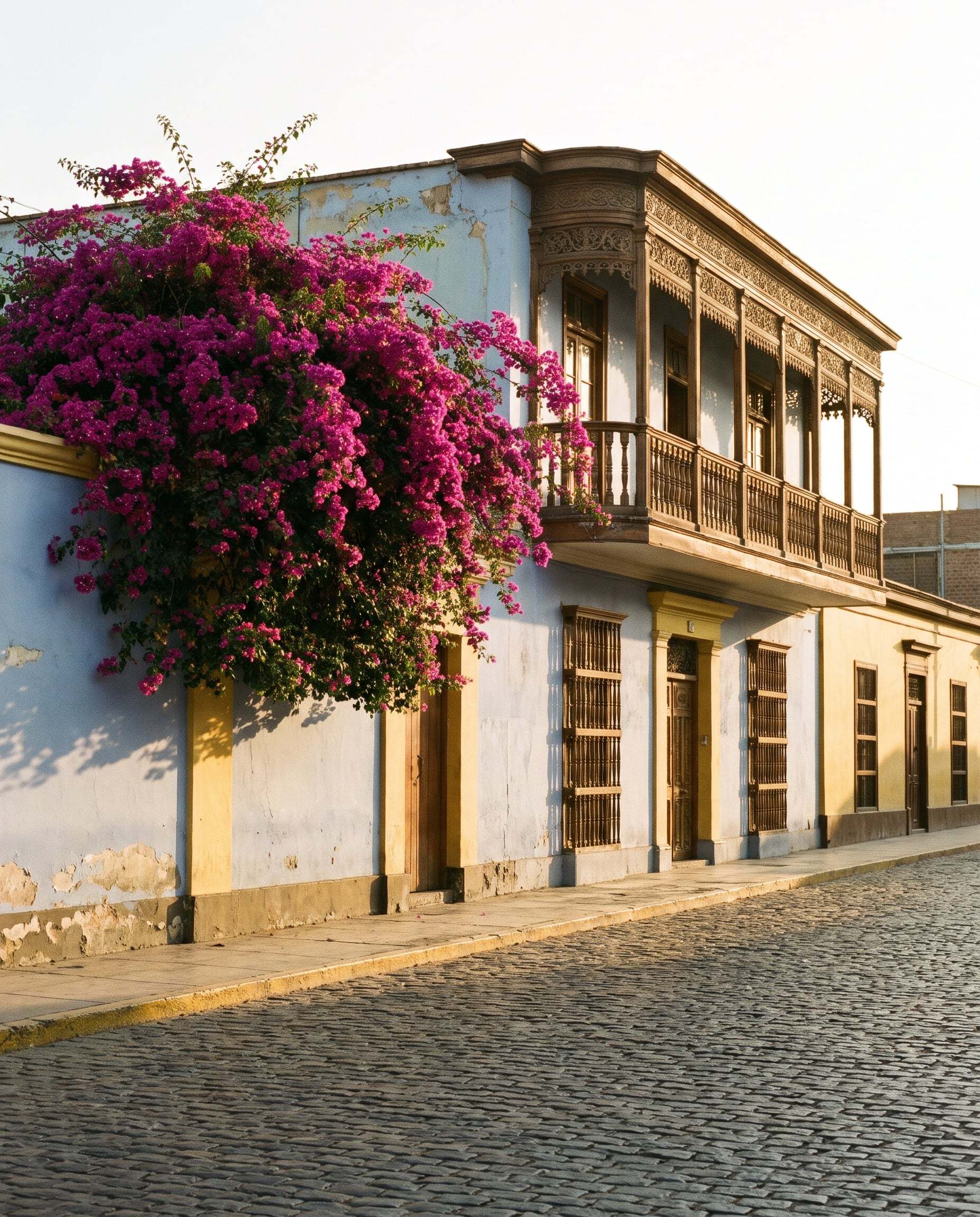
Lima’s bohemian district sits on the cliffs above the Pacific — murals, old casonas, bougainvillea and a wooden bridge people cross holding their breath for luck.
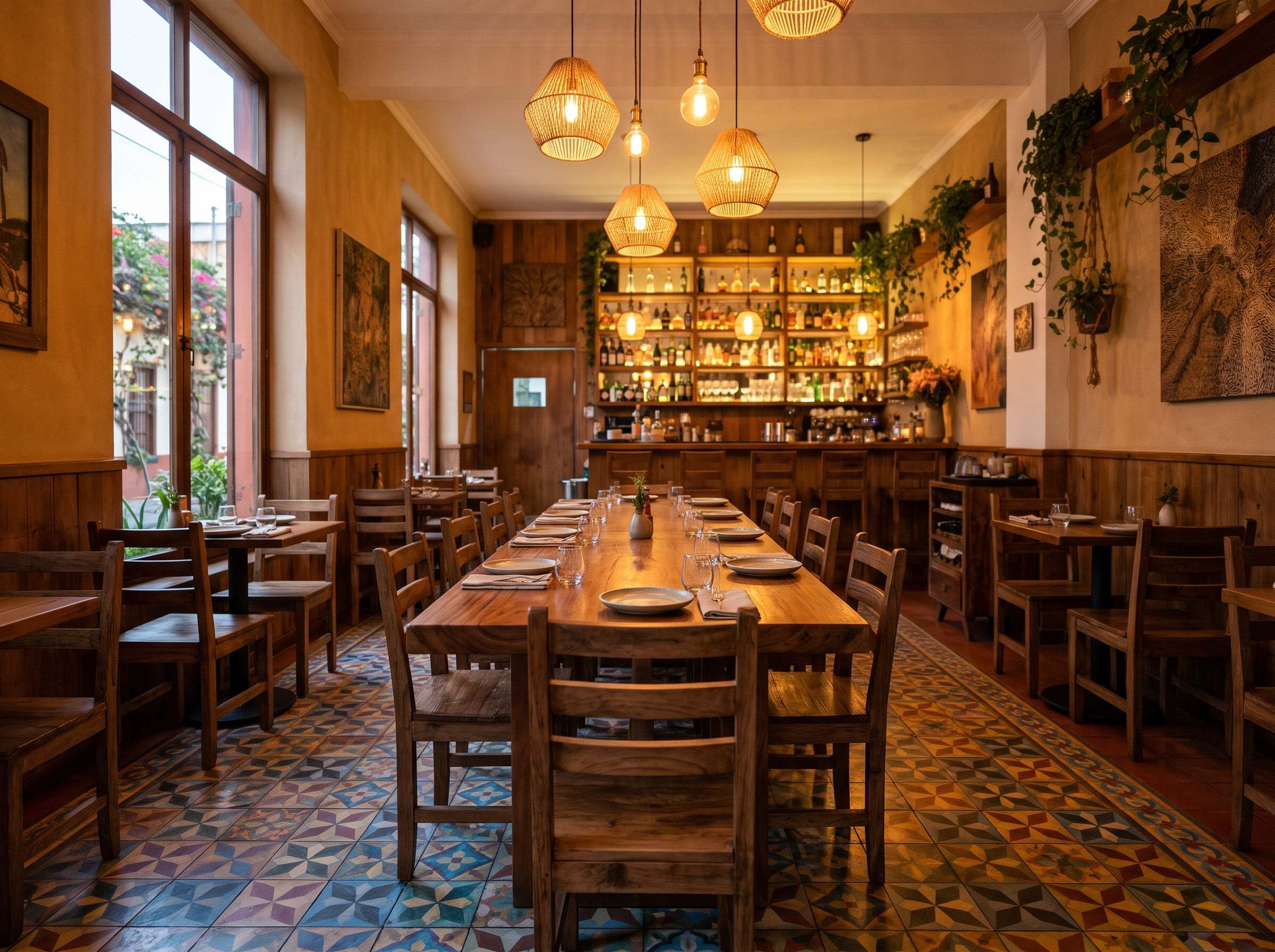
Our room is colour tiles and long shared tables. The kitchen is open to the room, the robata smokes in the corner, and the barra stays lit long after the last cebiche.
Say it like Lima
TEE-greh.
Roll the r if you can. Lima will forgive you if you can’t — after the first tigre, nobody checks.